
Sex Cells With Half The Normal Genetic Material 2026 File Updates & Releases #801
Go Premium For Free sex cells with half the normal genetic material hand-selected webcast. No recurring charges on our media hub. Experience fully in a huge library of documentaries put on display in superb video, the best choice for dedicated watching fans. With the freshest picks, you’ll always stay in the loop. Witness sex cells with half the normal genetic material expertly chosen streaming in photorealistic detail for a remarkably compelling viewing. Become a patron of our content portal today to see members-only choice content with totally complimentary, subscription not necessary. Benefit from continuous additions and navigate a world of specialized creator content produced for choice media admirers. Be sure to check out one-of-a-kind films—start your fast download! Get the premium experience of sex cells with half the normal genetic material unique creator videos with true-to-life colors and top selections.
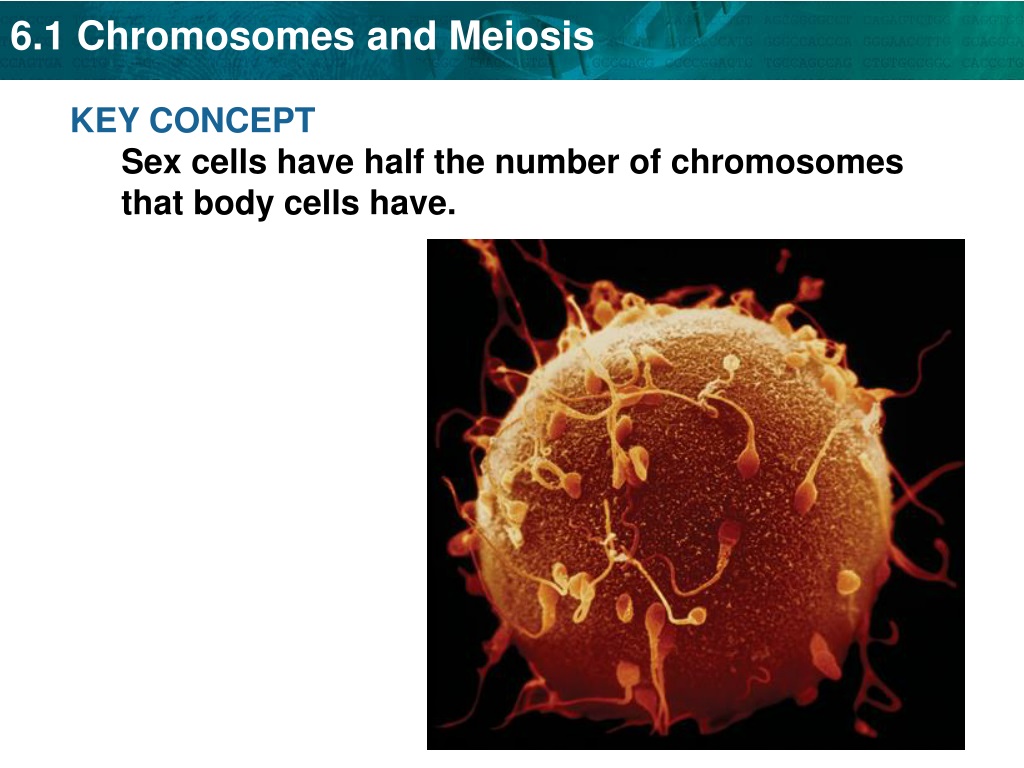
Sex cells are formed through a particular kind of cell division called meiosis The sex cells that contain only half of the normal number of chromosomes called the haploid number (the symbol is n) Unlike in normal cell division (mitosis), the genetic material of the original (parent) cell is divided up twice.
Diagram showing human sex cells on white Vector Image
Meiosis, division of a germ cell involving two fissions of the nucleus and giving rise to four gametes, or sex cells, each with half the number of chromosomes of the original cell This process is crucial for sexual reproduction in eukaryotes. The process of meiosis is characteristic of organisms that reproduce sexually and have a diploid set of chromosomes in the nucleus.
Meiosis produces haploid gametes from a diploid cell
Dna replicates once, but the cells divide twice In biology, meiosis is the process where a cell replicates dna once but divides twice, producing four cells that have half the genetic information of the original cell It is how organisms produce gametes or sex cells, which are eggs in females and sperm in males In meiosis one cell divides.
Chiasmata (singular = chiasma) the structure that forms at the crossover points after genetic material is exchanged crossing over (also, recombination) the exchange of genetic material between homologous chromosomes resulting in chromosomes that incorporate genes from both parents of the organism forming reproductive cells fertilization the union of two haploid cells typically from two. Meiosis is a type of cell division in sexually reproducing organisms that reduces the number of chromosomes in gametes (the sex cells, or egg and sperm) In humans, body (or somatic) cells are diploid, containing two sets of chromosomes (one from each parent) To maintain this state, the egg and sperm that unite during fertilization must be haploid, with a single set of chromosomes

Reproductive cells, such as sperm and egg cells, are haploid cells with only one set of chromosomes
..jpg)
